
How to Keep a Dry Bilge on Your Boat or Yacht
26th May 2026
Your Bilge Pump Isn't Finishing the Job
Keeping a dry bilge is one of the most important steps in maintaining your boat or yacht in true Bristol condition. And the benefits go way beyond appearances.
What Your Bilge Pump Isn't Doing
Standard bilge pumps are built to handle excess water fast to prevent sinking or rising water from reaching equipment. They're not designed to empty completely. Once the float switch drops to the off position some residual water stays behind. That's just how they work.
That leftover water might seem harmless, but in an unventilated bilge, especially in humid climates, it creates conditions that can cause damage: corroding metal fittings, blistering gel coat, persistent odors, mildew and accelerated hull degradation. The bilge is where a lot of preventable problems start.
The Problem with Residual Moisture
In a closed bilge, even a small amount of standing water can push ambient humidity from 60 to 70% up to 90 to 100%, depending on temperature swings. That kind of sustained moisture exposure creates a range of problems regardless of whether your vessel is fiberglass, aluminum, steel or wood.
Common Consequences of a Wet Bilge Include:
- Hull and coating damage: Prolonged submersion accelerates gel coat blistering, secondary lamination failure, and bilge coating delamination.
- Unpleasant odor: Microbes thrive in bilge water. Keeping the bilge dry is one of the most effective ways to reduce that persistent smell.
- Corrosion: Metal fittings, seacocks, and thru-hulls are especially vulnerable to excess moisture. Bronze is corrosion-resistant, but it will develop heavy patina under sustained wet conditions, enough to cause problems when servicing strainer baskets and bonding wire terminals.
- Cleanup headaches: A small oil leak or spill in a wet bilge is a real mess. The same spill in a dry bilge wipes up in seconds.
- Dirty tools and supplies: Items that end up in the bilge stay usable when there's nothing to contaminate them.
- Wet feet: It’s a small thing, but not a welcome one when stepping into the bilge to get work done.
Explore the SeaFlo Dry Bilge System
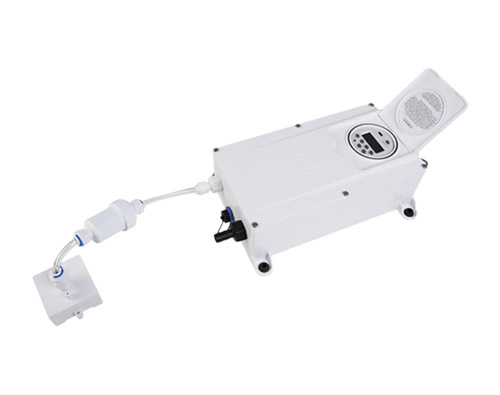
The SeaFlo Dry Bilge System is designed specifically to solve the problem your bilge pump leaves behind. It automatically removes the residual water that remains after a standard bilge pump cycle, helping keep the bilge drier between pump cycles rather than just periodically emptied. It is available in 12 and 24 volt DC model
For vessels with multiple bilge compartments, the SeaFlo 4-Zone Splitter extends coverage to two to four separate bilge areas. It's available in 12V and 24V models.
Have a Question or Comment?
Contact us. If you need help confirming compatibility, our team is here to help. For a deeper dive on bilge pumps, read our essential guide.
Frequently Asked Questions
Why isn't my bilge pump enough to keep the bilge dry?
Bilge pumps are sized and triggered to remove water quickly when levels get too high, not to evacuate every last drop. Once the float switch deactivates, residual water remains. Over time, that moisture creates the humidity and corrosion conditions. The SeaFlo Dry Bilge System is designed to remove residual water left behind after the bilge pump cycle ends.
Does hull material matter?
All hull materials are affected by sustained moisture exposure in the bilge. Fiberglass, aluminum, steel, and wood each have their own vulnerabilities, including blistering, oxidation, and rot. A dry bilge reduces the risk.
Can the SeaFlo Dry Bilge System work alongside my existing bilge pump?
Yes. It's designed to complement your existing bilge pump, not replace it. Your bilge pump continues to handle high-volume water removal, while the Dry Bilge System keeps residual moisture from sitting after the pump cycles off.
Is this suitable for both new builds and existing vessels?
Yes. The system is compatible with a wide range of setups and can be added to existing installations without significant modification.
Read more frequently asked questions from Environmental Marine.